

Finance Companies Expand Access to Affordable Financing Solutions in Hickory, NC
News originally published by
EIN Presswire
finance companies in Hickory NC

Finance company

Finance Service
NC financial services

Personal loans in NC.
Hickory residents explore flexible lending options to manage household expenses, planned purchases, and changing financial needs with greater confidence.
HICKORY, NC, UNITED STATES, November 5, 2026 /EINPresswire.com/ -- Financing continues to play a role in household budgeting and major purchase decisions across North Carolina, with lending providers offering products designed for different borrowing needs. In Hickory, the range of available lending services includes personal financing, consumer loans, and other forms of credit intended to help qualified borrowers manage planned expenses.The lending landscape includes banks, credit unions, finance companies, and other financial service providers. Each institution can apply different eligibility standards, loan structures, documentation requirements, interest rates, and repayment terms. As a result, access to financing depends on factors such as credit history, income, existing debt, requested loan amount, and the purpose of borrowing.
The role of finance companies in Hickory NC extends beyond providing access to credit. Financing providers also evaluate applications, review borrower information, establish repayment structures, and communicate the terms associated with available loan products. Clear information about these elements can help create a more informed lending process.
Financing Options Continue to Serve Different Borrowing Needs
Consumer financing can cover a range of legitimate financial needs. Depending on the lender and the applicant's circumstances, available products may include personal loans, vehicle financing, debt consolidation loans, and other forms of installment credit.
The structure of a loan can vary based on its purpose. A secured loan may involve an asset used as collateral, while an unsecured loan generally relies on the applicant's credit profile and financial qualifications rather than a specific asset.
Loan terms can also differ. The repayment period, interest rate, fees, payment schedule, and total repayment amount all affect the overall cost of borrowing. These factors make it important for applicants to review loan documents before accepting an offer.
For lenders operating in North Carolina, the applicable regulatory framework also influences how financial products can be offered and serviced. State and federal requirements may address disclosures, licensing, consumer protections, and lending practices.
What Role Do Finance Companies Play in Local Lending?
Finance companies in Hickory, NC represent one segment of the broader consumer lending market. Unlike banks and credit unions, finance companies generally focus on lending and related financial services rather than offering the full range of traditional banking products.
A finance company may evaluate loan applications using information such as credit history, income, employment, debt obligations, and other financial details. The exact criteria depend on the lender and the product.
The application process can also differ between providers. Some lenders may offer online applications, while others handle applications through physical locations or a combination of digital and in-person channels.
For applicants, the distinction between lenders can matter because loan products are not identical. A financing option suitable for one household may not be appropriate for another. Comparing terms remains an important part of responsible borrowing.
Understanding the Scope of NC Financial Services
The term NC financial services covers a broad range of products and providers serving consumers and businesses across North Carolina. Lending is one part of this sector, alongside banking, payment services, investment products, insurance, and other financial activities.
For consumers seeking financing, the lending portion of the financial services sector can include installment loans, personal loans, auto loans, lines of credit, and other products.
Product availability depends on the lender. Qualification requirements may also vary. Credit history is a common factor in lending decisions, though lenders may consider additional information when reviewing an application.
Financial service providers also have different approaches to customer support, application processing, documentation, and loan servicing. These differences can affect the overall borrowing experience.
As the local financial sector continues to serve different consumer needs, access to clear information remains an important part of the lending process.
Personal Loans Offer a Flexible Form of Consumer Financing
Personal loans in NC are generally installment loans that can be used for a range of permitted personal expenses. Depending on the lender, these loans may be secured or unsecured, although unsecured personal loans are common in the consumer lending market.
Personal loan proceeds may be used for purposes allowed under the specific loan agreement. Potential uses can include planned household expenses, emergency costs, major purchases, or debt consolidation. Restrictions can apply, so the permitted use of loan proceeds depends on the lender and product.
Personal loans typically involve a fixed repayment schedule. The borrower receives funds according to the approved loan agreement and makes scheduled payments over the specified term.
Several factors can affect the cost and structure of a personal loan. These may include:
● Credit history
● Income and employment information
● Existing financial obligations
● Loan amount
● Repayment period
● Interest rate
● Applicable fees
● Lender-specific underwriting requirements
Reviewing these factors can provide a clearer understanding of the financial commitment before a loan is accepted.
Credit History Remains Relevant to Loan Applications
Credit history can influence how lenders evaluate applications. A credit report may contain information about payment history, outstanding balances, account history, and other elements of a borrower's credit profile.
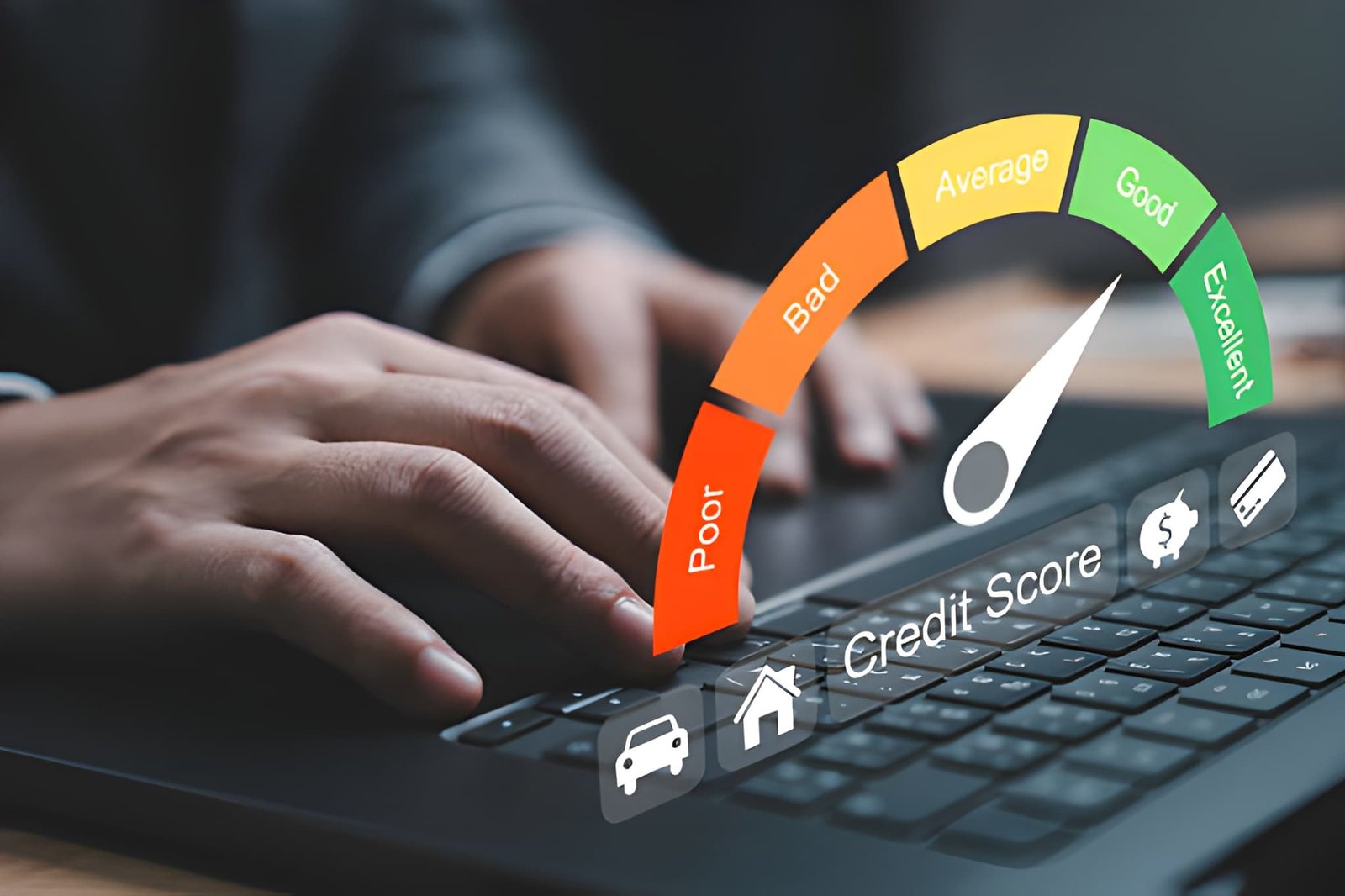
Lenders can use credit information alongside other financial details when determining eligibility and loan terms. A credit score alone does not necessarily represent the complete financial picture.
Applicants with different credit profiles may receive different loan offers or may qualify for different products. Lending standards vary among financial institutions, so an application outcome with one provider does not necessarily predict an outcome with another.
For this reason, financial service providers generally review applications within the context of the specific loan product and underwriting standards.
Income and Existing Debt Can Affect Borrowing Capacity
Income represents another factor lenders may consider during the application process. Information about income can help establish whether an applicant has sufficient resources to manage the proposed repayment obligation.
Existing debt can also affect a lender's assessment. Current loan payments, credit card balances, and other recurring financial obligations may be considered when evaluating an application.
The relationship between income and debt is important because a new monthly payment adds to existing financial commitments. Borrowers should assess household cash flow and recurring expenses before taking on additional debt.
A loan approval indicates that the application met the lender's stated criteria. It does not remove the need for careful budgeting or change the borrower's obligation to make scheduled payments.
Loan Terms Matter Beyond the Monthly Payment
A monthly payment provides only part of the information needed to evaluate a loan. The repayment period and interest rate can affect the total amount paid over the life of the loan.
A longer repayment term may reduce the required monthly payment while extending the period during which interest accrues. A shorter term can increase the monthly payment while reducing the length of the repayment period.
Fees can also affect the total cost of borrowing. Depending on the product, potential charges may include origination fees, late payment fees, or other costs disclosed in the loan agreement.
A clear review of the loan's annual percentage rate, interest rate, fees, payment schedule, and total repayment amount can help applicants understand the full financial commitment.
Accessible Financing Does Not Mean Identical Financing
The concept of accessible financing can refer to the availability of lending options for qualified applicants with different financial circumstances. It does not mean every applicant will qualify for every product or receive the same terms.
Lenders use underwriting standards to assess risk and determine eligibility. These standards help establish whether an application meets the requirements for a particular loan.
Different lenders may assess similar applications in different ways. As a result, applicants may encounter variations in documentation requirements, loan amounts, repayment terms, and interest rates.
Responsible lending also requires clear communication of applicable terms. Borrowers need sufficient information to understand the obligations associated with a loan before entering into an agreement.
The Application Process Requires Accurate Financial Information
Loan applications typically require information about the applicant's identity, income, employment, housing situation, and existing financial obligations. Additional documentation may be required depending on the lender and loan product.
Accurate information is important during the application process. Incomplete or inconsistent information can delay an application or affect the lender's ability to evaluate eligibility.
Digital lending has also changed how applications are submitted. Online forms can allow applicants to provide information remotely, while some lenders continue to offer traditional application channels.
Regardless of the application method, lending decisions remain subject to the requirements of the individual provider and the applicable regulations.
Why Loan Purpose Can Influence Product Selection
The purpose of borrowing can affect which financing product is appropriate. A personal installment loan, vehicle loan, credit line, and other lending products can have different structures and restrictions.
For example, secured financing can involve collateral and may have terms linked to the asset securing the loan. An unsecured personal loan does not rely on a specific asset as collateral, although eligibility requirements still apply.
Debt consolidation can represent another potential use for personal financing.
Consolidation involves using a new loan to pay certain existing debts. The potential benefit depends on the interest rate, fees, repayment term, and financial behavior following consolidation.
Loan purpose should therefore be considered alongside cost, repayment requirements, and eligibility rather than viewed as a separate issue.
Hickory Remains Part of North Carolina's Broader Financial Market
Hickory is part of a wider regional economy supported by manufacturing, healthcare, retail, education, professional services, and other industries. Financial institutions serving the area provide access to different banking and lending products for qualified consumers and businesses.
The local lending market includes national institutions as well as regional and community-based providers. Each organization operates under its own policies and applicable regulatory requirements.
For consumers researching financing options, the presence of multiple providers creates an opportunity to compare products based on their specific terms. Factors such as interest rate, annual percentage rate, fees, repayment period, collateral requirements, and payment obligations can all affect the suitability of a loan.
Financial Education Supports Informed Borrowing
Access to financing is only one part of responsible financial decision-making. Understanding how loans work can help borrowers assess the long-term impact of new debt.
Before accepting financing, borrowers can review several key details:
1. Total loan amount: The amount being borrowed.
2. Interest rate: The rate applied to the outstanding balance.
3. Annual percentage rate: A broader measure of borrowing cost when applicable.
4. Repayment term: The length of time scheduled for repayment.
5. Monthly payment: The amount due under the repayment schedule.
6. Fees: Additional charges associated with the loan.
7. Total repayment: The overall amount scheduled to be paid.
8. Late-payment provisions: Terms related to missed or delayed payments.
9. Collateral requirements: Assets that may secure certain loans.
10 Early repayment terms: Any conditions associated with paying the balance ahead of schedule.
Reviewing these elements can provide a more complete picture than focusing only on the monthly payment.
HCC Loans Provides Consumer Lending Services
HCC Loans provides lending services for consumers in North Carolina, including personal loan products. Its services are structured around the application, qualification, and servicing processes associated with consumer financing.
The company operates within the lending framework applicable to its products and service area. Loan availability, qualification, terms, interest rates, and other conditions depend on the specific product and applicant circumstances.
As with other lending providers, applications are subject to applicable requirements, and financing is not guaranteed solely by submitting an application.
What Borrowers Should Consider Before Accepting Financing
A loan creates a financial obligation extending beyond the initial receipt of funds. Before accepting financing, borrowers can review whether the scheduled payment fits within existing household expenses and financial commitments.
The loan term also deserves attention. A payment that appears manageable over a longer period can result in a higher total repayment amount. Conversely, a shorter repayment period may require larger monthly payments.
Credit impact is another consideration. Depending on the lender and application process, applying for credit may involve a credit inquiry. Existing debt and future applications can also affect a borrower's overall credit profile.
A careful review of the loan agreement helps clarify the responsibilities associated with the financing.
Transparency Remains Important Across the Lending Process
Clear loan information plays a central role in consumer financing. Applicants need access to the terms governing the loan, including applicable rates, fees, payment obligations, and other conditions.
Financial service providers also have responsibilities under applicable laws and regulations governing consumer lending. Required disclosures and documentation help establish the terms of the lending relationship.
For finance companies in Hickory, NC, maintaining clear application and loan documentation forms part of the broader lending process. Consumers evaluating NC financial services can compare available products based on disclosed terms and eligibility requirements.
The growth of digital applications has also increased the amount of financial information available online. However, consumers should rely on official loan documents when evaluating the actual terms of a financing agreement.
A Broader View of Personal Financing in North Carolina
The market for personal loans in NC includes a range of providers and loan structures. Financing needs can differ based on household expenses, planned purchases, existing debt, and individual financial circumstances.
No single lending product is appropriate for every situation. Loan terms, eligibility standards, and costs vary between providers and products.
As lenders continue serving North Carolina communities, access to understandable financing information remains relevant to consumers evaluating their borrowing options. A focus on loan structure, affordability, repayment obligations, and documented terms can support more informed decisions.
For the Hickory market, financial service providers remain part of the local consumer finance ecosystem, offering lending products subject to eligibility requirements and applicable regulations.
About HCC Loans
HCC Loans is a North Carolina lending company that provides consumer financing products, including personal loans. The company serves applicants through its lending process, which includes application review, qualification, loan documentation, and repayment servicing. Available financing and loan terms depend on the applicable product and individual application.
Jim Crawford
Home Credit Corporation Inc.
+1 (828) 304-0800
Visit us on social media:
LinkedIn
Facebook
Legal Disclaimer:
EIN Presswire provides this news content "as is" without warranty of any kind. We do not accept any responsibility or liability for the accuracy, content, images, videos, licenses, completeness, legality, or reliability of the information contained in this article. If you have any complaints or copyright issues related to this article, kindly contact the author above.
