

2026 Global Electronic Components Market Outlook: Supply Chain Stabilization and AI-Led Structural Growth
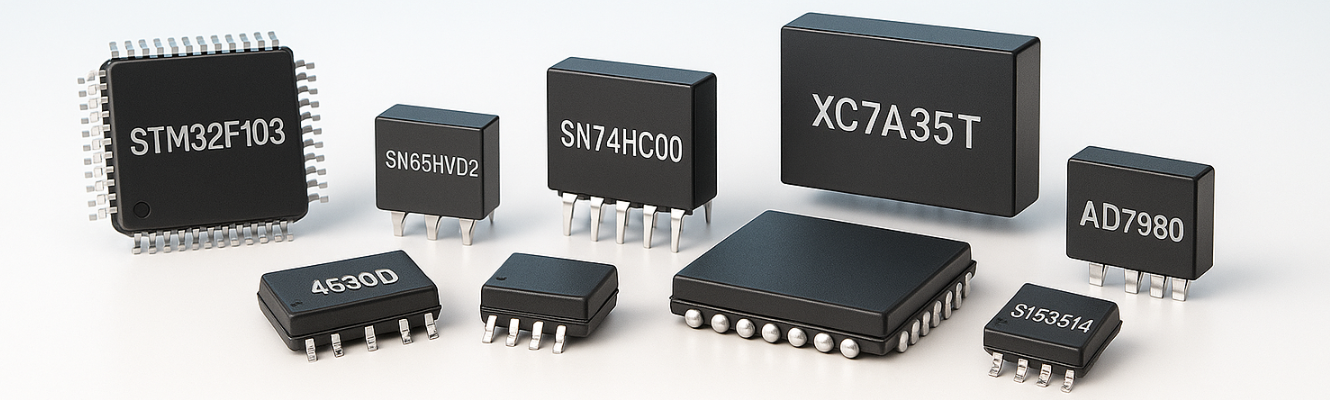
YY-IC.com is a one-stop service provider for a full range of electronic components.
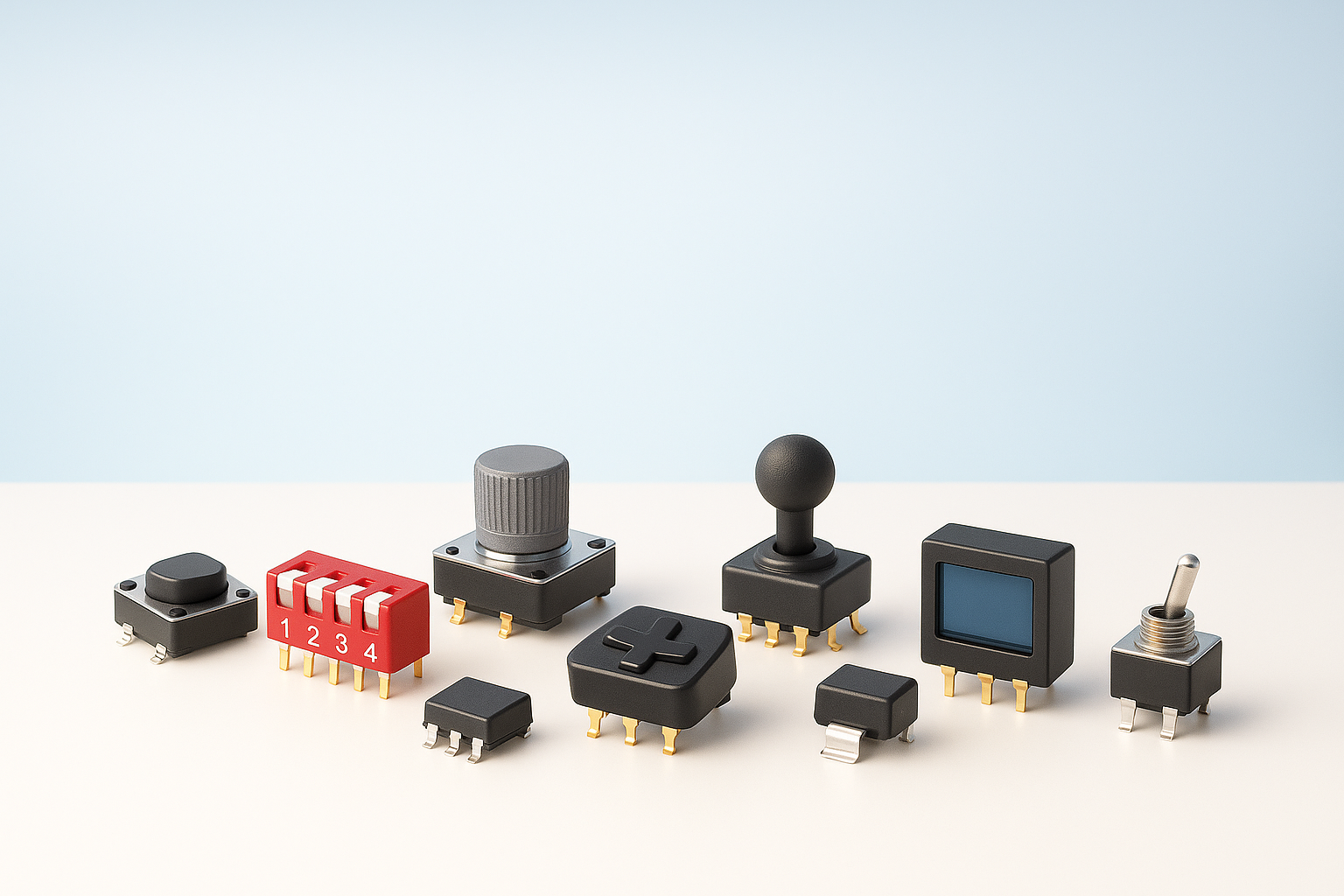
YY-IC switch terminal manufacturer and distributor
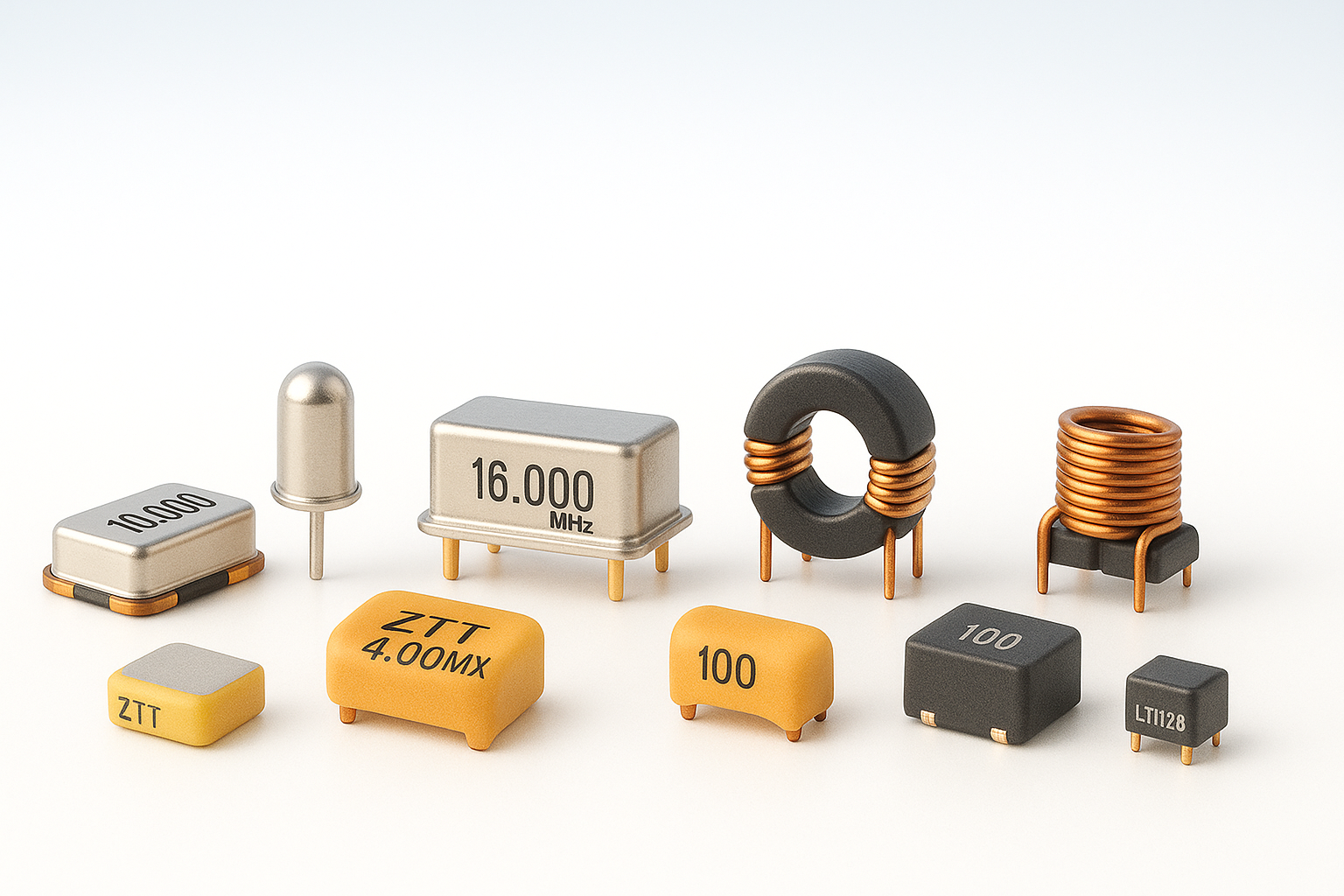
YY-IC Inductor Coil and Crystal Distributor
A comprehensive review of 2026 semiconductor trends, supply chain realignment, pricing cycles, and demand recovery across key component categories.
LONDON, UNITED KINGDOM, February 27, 2026 /EINPresswire.com/ -- Executive Summary
The global electronic components market enters 2026 in a markedly different position compared to the volatility experienced between 2021 and 2024. Following an extended period of semiconductor shortages, over-ordering cycles, and subsequent inventory correction, industry indicators now point toward structural normalization and moderate cyclical recovery.
According to aggregated industry estimates from leading market research institutions, global semiconductor revenue is projected to grow between 8% and 12% year-over-year in 2026, following a stabilization phase in 2025. The broader electronic components market—including semiconductors, passives, interconnects, and electromechanical components—is expected to expand at a compound annual growth rate (CAGR) of approximately 6–9% through 2027, supported by AI infrastructure expansion, automotive electrification, and industrial automation upgrades.
Average lead times across major component categories have declined from peak levels exceeding 50 weeks in 2022 to a range of 16–24 weeks in early 2026, signaling improved supply-demand equilibrium. Distributor inventory-to-sales ratios have also normalized in most regions after elevated levels during the 2023 correction cycle.
2026 therefore represents a transitional year—less defined by shortage risk and more by strategic realignment, procurement discipline, and technology-driven demand growth.
Global Market Overview and Structural Growth Drivers
1. AI Infrastructure as a Primary Demand Catalyst
Artificial intelligence remains the strongest structural growth driver across the semiconductor ecosystem. Hyperscale data center capital expenditure has increased significantly, with AI-focused infrastructure investments projected to grow 25–35% year-over-year in 2026.
AI servers require:
High-performance GPUs and accelerators
High-bandwidth memory (HBM)
Advanced power management modules
High-current connectors
Thermal management solutions
AI server racks consume up to 2–3 times more power than traditional enterprise server configurations. This shift increases demand for high-efficiency voltage regulation modules, power MOSFETs, and SiC-based power devices.
HBM demand is projected to grow by more than 40% in 2026, offsetting weaker traditional DRAM segments. Advanced packaging technologies such as 2.5D and chiplet integration are becoming critical enablers of AI system scaling.
2. Automotive Electrification and Semiconductor Content Expansion
Automotive electronics continues to demonstrate long-term structural resilience. Global EV penetration rates are projected to exceed 20% of new vehicle sales in 2026, compared to less than 5% five years earlier.
Semiconductor content per electric vehicle is estimated to range between $800 and $1,200, significantly higher than in internal combustion engine vehicles. Demand growth is particularly strong in:
Silicon carbide (SiC) power modules
Automotive-grade MCUs
Battery management ICs
ADAS sensors and radar components
Industry forecasts indicate automotive semiconductor revenue could expand at a CAGR of 12–15% through 2028, supported by regulatory electrification mandates and advanced driver-assistance system (ADAS) integration.
Unlike consumer electronics, automotive demand cycles are more stable due to multi-year design lifecycles and qualification requirements.
3. Industrial Automation and Edge Intelligence
Industrial automation spending remains structurally positive. Global smart manufacturing investment is projected to grow at 8–10% annually through 2027.
Demand drivers include:
Robotics integration
Factory digitalization
Industrial IoT networks
Predictive maintenance systems
Industrial-grade microcontrollers, embedded processors, isolation components, and power management ICs benefit directly from these trends. Because industrial systems typically have long deployment lifecycles, demand volatility is comparatively lower than in consumer markets.
4. Consumer Electronics Stabilization
After two consecutive years of shipment contraction, global smartphone and PC volumes are stabilizing. Smartphone shipments are projected to grow modestly at 3–5% in 2026, while PC markets are expected to experience flat-to-low single-digit growth.
This stabilization reduces excess supply pressure in mature-node semiconductors and passive components.
Supply Chain Realignment and Capacity Trends
Foundry Capacity Utilization
During the 2021–2022 shortage cycle, global semiconductor foundries operated near full capacity. In 2024, mature-node utilization dropped below 75% in some segments due to inventory corrections.
By early 2026:
Advanced nodes (5nm and below) remain highly utilized due to AI processor demand.
Mature nodes (28nm–90nm) have improved to approximately 80–85% utilization in automotive and industrial segments.
Several new fabrication facilities in North America and Southeast Asia are scheduled to ramp production between 2026 and 2027, increasing geographic diversification.
Advanced Packaging and OSAT Expansion
Advanced packaging revenue is projected to grow at over 10% annually through 2027. Demand for chiplet integration and high-density substrates is accelerating as AI and high-performance computing systems require greater bandwidth and thermal efficiency.
OSAT providers are expanding capacity in advanced packaging formats, creating downstream demand for specialized materials, connectors, and power regulation components.
Lead Time Normalization
Average lead times across major categories have declined significantly:
| Component Category | Peak Lead Time (2022) | Average Lead Time (2026) |
| ----------------------------- | ----------------------------- | ----------------------------------- |
| Automotive MCU | 52+ weeks | 20–24 weeks |
| Power MOSFET | 40+ weeks | 18–22 weeks |
| Analog IC | 35–45 weeks | 16–20 weeks |
| MLCC | 20–30 weeks | 10–14 weeks |
Shorter lead times reflect reduced double-ordering behavior and improved visibility across distribution channels.
Inventory Cycle and Procurement Behavior
Distributor inventory peaked during 2023 as OEMs reduced demand forecasts. By 2026, inventory-to-sales ratios have returned closer to historical norms.
OEM procurement strategies are shifting from:
Excess safety stock accumulation
to
Diversified multi-sourcing and predictive inventory planning
This structural adjustment reduces extreme cyclical swings.
Category-Level Demand and Technology Trends
Power Semiconductors
The global power semiconductor market is projected to grow 10–14% in 2026, driven by EV platforms, renewable energy systems, and AI data centers.
SiC device adoption continues to accelerate, particularly in 800V EV architectures. GaN devices are gaining share in data center power supply units and fast-charging infrastructure.
Microcontrollers (MCUs)
Following severe shortages in 2021–2022 and oversupply in 2023–2024, the MCU market is stabilizing. Automotive-grade MCU demand remains firm, while general-purpose MCU segments show balanced inventory levels.
MCU market growth is projected in the 6–8% range for 2026, supported by industrial and automotive recovery.
Memory and Storage
Memory markets exhibit early cyclical rebound characteristics. DRAM pricing is forecast to rise modestly after previous declines. AI-related HBM demand is reshaping supply allocation priorities.
NAND flash supply discipline among major manufacturers is contributing to gradual price recovery.
Analog and Mixed-Signal ICs
Analog IC demand benefits from diversified applications across automotive, industrial, and AI infrastructure. Growth in this category is projected at 5–7% in 2026, reflecting broad cross-sector integration.
Passive Components
MLCC demand is recovering, particularly in automotive and power management applications. High-voltage capacitors and precision resistors are experiencing steady demand increases.
Passive component markets are projected to expand at 4–6% annually through 2027.
Sensors and RF Components
Automotive radar, image sensors, and connectivity modules are expanding with ADAS adoption. RF front-end components benefit from ongoing 5G infrastructure deployments and IoT expansion.
Pricing Trends and Market Stability Indicators
Component pricing volatility has significantly reduced compared to peak shortage conditions. Spot price premiums have narrowed across most categories.
Key pricing observations in 2026 include:
Stabilization of automotive MCU contract pricing
Moderate upward memory pricing adjustments
Firm pricing in SiC power devices due to strong EV demand
Competitive pricing pressure in certain mature-node analog components
The overall pricing environment reflects normalized supply-demand balance rather than scarcity-driven premiums.
Regional Market Dynamics
North America
AI infrastructure and defense electronics investment drive semiconductor demand growth. Data center expansion supports high-performance processor and power device consumption.
Europe
Automotive electrification remains the primary demand engine. Regulatory incentives and emission targets continue to accelerate semiconductor integration per vehicle.
Asia-Pacific
Asia-Pacific maintains its role as the global manufacturing hub. China’s EV market and Southeast Asia’s expanding electronics production base support steady component demand growth.
Regional diversification strategies reduce supply concentration risk.
2026–2027 Forward Outlook
Industry projections indicate continued moderate expansion rather than extreme cyclical acceleration. Structural growth drivers—including AI, electrification, and automation—are expected to outweigh macroeconomic headwinds.
Risks to monitor include:
Geopolitical trade restrictions
Energy cost fluctuations
Capital expenditure cycles in hyperscale data centers
Overall, the electronic components market is positioned for sustainable mid-single to low-double-digit growth through 2027.
The Strategic Role of Distribution Networks
As supply chain volatility decreases, distribution networks play a more strategic role in enabling procurement transparency and multi-source flexibility. Real-time inventory visibility and global sourcing diversification are increasingly critical for OEM and EMS procurement planning.
As part of the global electronic components ecosystem, YY-IC continuously monitors category-level demand signals, regional supply shifts, and pricing trends across a broad range of semiconductor and passive component segments. Through diversified sourcing channels and multi-category coverage, distribution platforms contribute to improved market stability and procurement adaptability in a structurally evolving industry environment.
Conclusion
The global electronic components market in 2026 reflects structural normalization following a historic volatility cycle. Data-driven indicators suggest:
Revenue growth in the 8–12% range
Lead time contraction to pre-shortage norms
Balanced inventory levels
Structural demand expansion in AI and automotive sectors
Rather than a return to extreme shortage conditions, the industry is entering a phase defined by strategic supply chain realignment, technological advancement, and disciplined procurement behavior.
Sustained monitoring of demand drivers, pricing cycles, and regional capacity expansion will remain essential to understanding the next stage of global electronic component industry evolution.
About YY-IC
YY-IC is a global electronic components distribution platform supporting OEM and EMS procurement across multiple categories. Through diversified sou
For more industry updates and market analysis, visit:
https://www.yy-ic.com/
hanxiong chen
YY-IC
+86 180 0257 1668
service@yy-ic.com
Visit us on social media:
Instagram
Facebook
Legal Disclaimer:
EIN Presswire provides this news content "as is" without warranty of any kind. We do not accept any responsibility or liability for the accuracy, content, images, videos, licenses, completeness, legality, or reliability of the information contained in this article. If you have any complaints or copyright issues related to this article, kindly contact the author above.
